
Contents
- 🎯 Introduction to Addiction
- 🧠 The Neuroscience of Addiction
- 📊 Key Statistics and Trends
- 👥 Key People and Organizations
- 🌎 Global Impact and Cultural Factors
- ⚖️ Current Research and Debates
- 🤝 Treatment Options and Support Services
- 📚 Related Topics and Further Reading
- 👍 Personal Stories and Recovery
- 💡 Prevention and Education
- Frequently Asked Questions
- References
- Related Topics
Overview
Addiction is a multifaceted disorder characterized by an intense urge to engage in rewarding behaviors or substance use, despite negative consequences. It affects not only the individual but also their loved ones and community. According to the World Health Organization, addiction affects millions of people worldwide, with substance use disorders being a major public health concern. The National Institute on Drug Abuse estimates that addiction costs the United States over $740 billion annually in healthcare, crime, and lost productivity.
🎯 Introduction to Addiction
Addiction is a complex disorder that has been studied extensively in the fields of psychology, neuroscience, and medicine. The American Psychiatric Association defines addiction as a brain disorder characterized by compulsive engagement in rewarding stimuli, despite negative consequences. For example, a person struggling with addiction may experience intense cravings, even after years of sobriety, as seen in the story of Chris Herren, a former NBA player who struggled with addiction.
🧠 The Neuroscience of Addiction
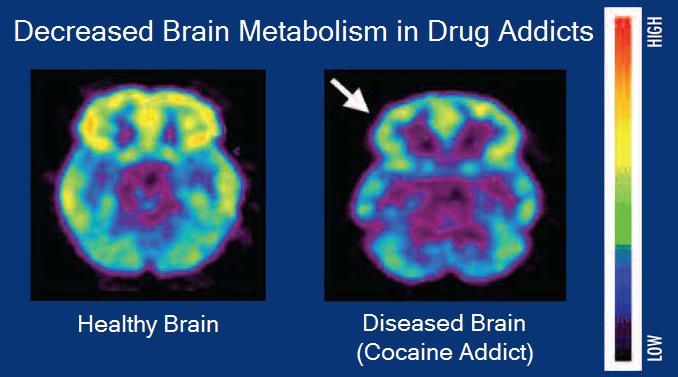
The neuroscience of addiction reveals that repetitive substance use or engaging in rewarding behaviors can alter brain function, particularly in regions responsible for reward processing, motivation, and self-control. This can lead to long-term changes in brain structure and function, contributing to the development of addiction. As Dr. Eric Kandel notes, 'The brain's ability to reorganize itself in response to experience is a key factor in the development of addiction.'
📊 Key Statistics and Trends
Key statistics and trends in addiction highlight the scope of the problem. According to the World Health Organization, approximately 31 million people worldwide suffer from substance use disorders. The Centers for Disease Control and Prevention report that drug overdose deaths in the United States have increased significantly in recent years, with over 70,000 deaths in 2020 alone. The Substance Abuse and Mental Health Services Administration estimates that over 20 million people in the United States need treatment for a substance use disorder.
👥 Key People and Organizations
Key people and organizations in the field of addiction include Dr. Drew Pinsky, a renowned addiction specialist, and the National Institute on Drug Abuse, which conducts extensive research on addiction. The American Society of Addiction Medicine is a professional organization that provides education, training, and advocacy for addiction treatment professionals.
🌎 Global Impact and Cultural Factors
The global impact and cultural factors of addiction are significant, with varying prevalence rates and attitudes towards substance use across different countries and cultures. For example, the World Health Organization reports that the prevalence of substance use disorders is higher in the Americas and Europe than in other regions. The United Nations Office on Drugs and Crime works to address the global issue of drug addiction and its related problems.
⚖️ Current Research and Debates
Current research and debates in the field of addiction focus on the development of effective treatments, including pharmacological and behavioral interventions. The Food and Drug Administration has approved several medications for the treatment of addiction, including Methadone and Buprenorphine. The National Institute on Drug Abuse is conducting research on the use of Cannabidiol for the treatment of addiction.
🤝 Treatment Options and Support Services
Treatment options and support services for addiction include individual and group therapy, support groups, and medication-assisted treatment. The Substance Abuse and Mental Health Services Administration provides funding for addiction treatment programs and services. The American Society of Addiction Medicine offers a certification program for addiction treatment professionals.
👍 Personal Stories and Recovery
Personal stories and recovery from addiction highlight the importance of seeking help and support. The National Alliance on Mental Illness offers a recovery program for individuals with mental health conditions, including addiction. The Substance Abuse and Mental Health Services Administration provides a helpline for individuals seeking treatment for addiction.
💡 Prevention and Education
Prevention and education are critical in addressing the issue of addiction. The Centers for Disease Control and Prevention provides information and resources on addiction prevention. The National Institute on Drug Abuse offers educational materials and programs for schools and communities.
Key Facts
- Year
- 2022
- Origin
- Global
- Category
- addiction-education
- Type
- concept
Frequently Asked Questions
What is addiction?
Addiction is a complex disorder characterized by an intense urge to engage in rewarding behaviors or substance use, despite negative consequences. According to the World Health Organization, addiction affects millions of people worldwide. The National Institute on Drug Abuse estimates that addiction costs the United States over $740 billion annually in healthcare, crime, and lost productivity.
What are the signs of addiction?
Classic signs of addiction include compulsive engagement in rewarding stimuli, preoccupation with substances or behavior, and continued use despite negative consequences. The American Psychiatric Association defines addiction as a brain disorder characterized by compulsive engagement in rewarding stimuli, despite negative consequences.
How is addiction treated?
Treatment options and support services for addiction include individual and group therapy, support groups, and medication-assisted treatment. The Substance Abuse and Mental Health Services Administration provides funding for addiction treatment programs and services. The American Society of Addiction Medicine offers a certification program for addiction treatment professionals.
What is the role of genetics in addiction?
Genetics play a significant role in the development of addiction, with certain genetic variants increasing the risk of addiction. The National Institute on Drug Abuse conducts research on the genetic factors contributing to addiction.
How can I prevent addiction?
Prevention and education are critical in addressing the issue of addiction. The Centers for Disease Control and Prevention provides information and resources on addiction prevention. The National Institute on Drug Abuse offers educational materials and programs for schools and communities.
What are the consequences of addiction?
The consequences of addiction can be severe, including physical and mental health problems, relationship problems, and financial difficulties. The World Health Organization reports that addiction affects not only the individual but also their loved ones and community.
How can I help someone with addiction?
Helping someone with addiction requires a supportive and non-judgmental approach. The National Alliance on Mental Illness offers a recovery program for individuals with mental health conditions, including addiction. The Substance Abuse and Mental Health Services Administration provides a helpline for individuals seeking treatment for addiction.